Lawrence daily brief
Lawrence, Kansas and US news for busy people - Jun 18, 2026 edition


Lawrence
- Lawrence municipal departments are coordinating a debris cleanup and yard waste disposal plan for neighborhoods impacted by a tornado. →
- Residents urged the Lawrence City Commission to add protected bike lanes on Tennessee and Kentucky streets during a capital plan review. →
- The Lawrence City Commission approved issuing up to $3.9 million in industrial revenue bonds for the downtown Q39 restaurant project. →
- The Lawrence City Commission approved a tax exemption and bonds for a 131-unit apartment complex near Wakarusa Drive. →
- Douglas County 2027 property valuation estimates rose by 4.6 percent, higher than the 4 percent initially projected by Lawrence staff. →
- The Douglas County Commission authorized county attorneys to begin the tax sale process for approximately 113 delinquent properties. →
- The Douglas County Commission approved a site plan for a 12,000-square-foot Turformance Lawn Services facility near Lecompton. →
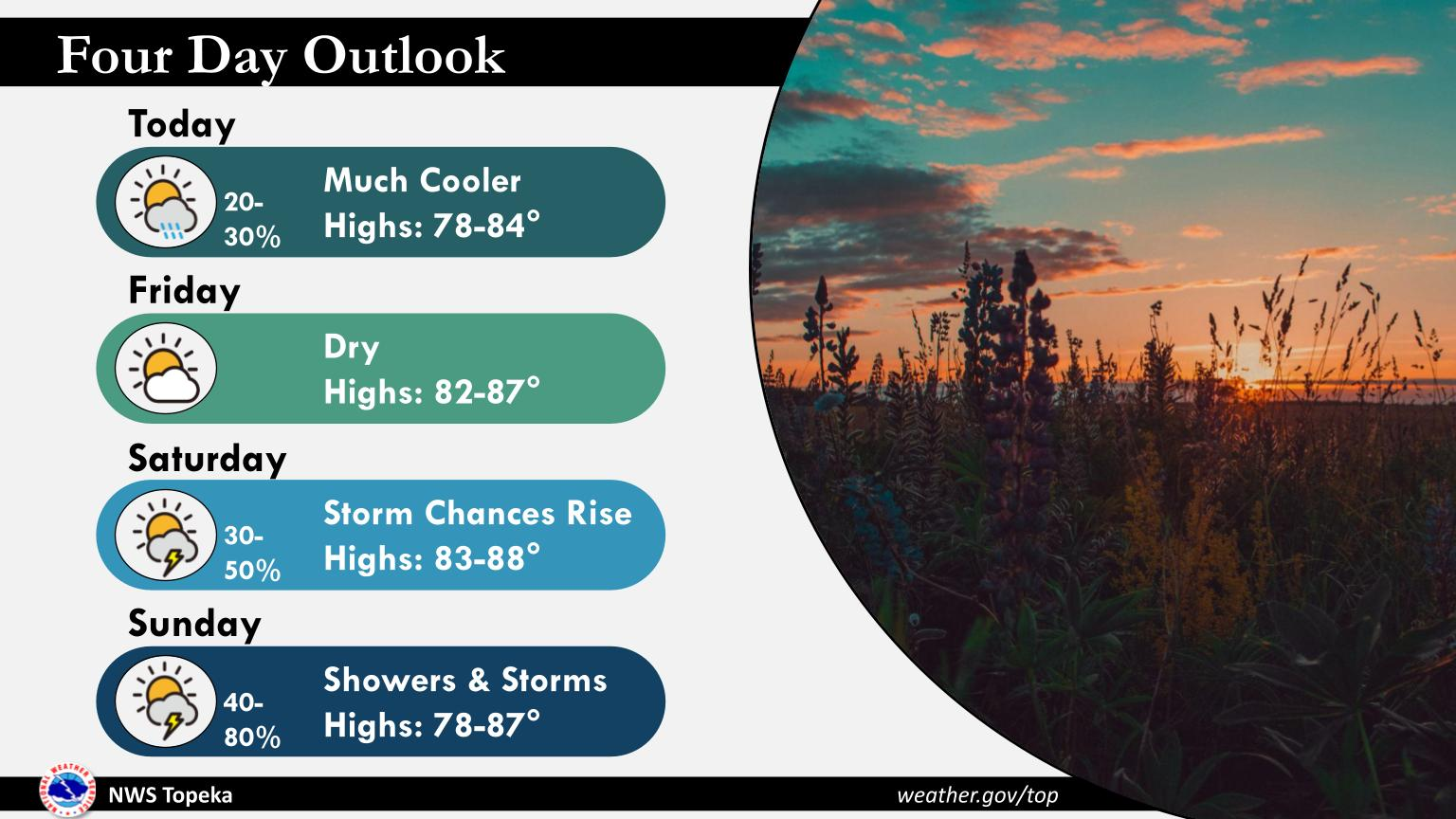
- We've got a slight chance of rain showers before 1:00 PM today, but otherwise expect partly sunny skies with a high near 79°F and a gentle breeze out of the northwest.
Click here for local obituaries
Click here for local jail logs
🌾 Kansas
-
Panasonic announced June 17 it will convert part of its De Soto, Kan., electric-vehicle battery plant to produce batteries for AI data centers, with plans to invest $3 billion between fiscal years 2027 and 2029 in AI-related systems. →
-
The Kansas Board of Regents approved tuition increases June 17 for state universities for the 2026-27 school year, with KU in-state undergraduates facing a minimum 4.8% increase following a 2.5% cut to operating appropriations for several schools. →
-
The Bates County coroner identified all 12 victims of a June 14 skydiving plane crash near Butler, Mo., including four Kansans from De Soto, Lawrence, Olathe and Stilwell, in what FOX4 KC reported is the deadliest U.S. skydiving crash in decades. →
-
The USDA opened applications June 16 for $125 million in annual grants to rebuild aging agricultural research facilities at land-grant universities, with awards ranging from $100,000 to $30 million and requiring a dollar-for-dollar non-federal match. →
-
Topeka's Affordable Housing Trust Fund Committee recommended roughly $931,000 in city loans for three projects that would create or rehabilitate approximately 229 affordable housing units, with a full council vote expected next month. →
🇺🇸 US
-
President Trump signed a U.S.-Iran agreement at the G7 summit in Versailles on June 17, formalizing a deal to end the war within 60 days and reopen the Strait of Hormuz, with oil tankers already moving and average U.S. gas prices dipping below $4 a gallon for the first time since April. →
-
The Federal Reserve voted 12-0 on June 17 to hold rates at 3.50%–3.75% for a fourth straight meeting, with nine of 18 officials projecting at least one rate hike before year-end and the updated PCE inflation forecast rising to 3.6%. →
-
FBI Director Kash Patel announced the arrest of five people in an alleged plot to attack the UFC event on the White House South Lawn using explosive drones and a pre-staged sniper team, with investigators tipped off by one suspect's mother. →
-
Waymo's driverless taxi expansion is stalling across major U.S. cities as labor unions and elected officials push back over job losses, with New York's governor withdrawing support for a state bill and Chicago legislation collapsing after union protests. →
-
The Pentagon on June 16 renamed U.S. Indo-Pacific Command back to U.S. Pacific Command, reversing the 2018 rebranding and dropping terminology that had emphasized India's role in regional strategy. →
Weather
JUNE 18 1815: NAPOLEON DEFEATED AT WATERLOO
Napoleon’s defeat at Waterloo ended his bid to remake Europe under French dominance and locked in a conservative order that shaped the continent’s borders and alliances for the rest of the 19th century. The balance-of-power system that followed—engineered by the victors at the Congress of Vienna—became the template for modern great‑power diplomacy, echoing today in NATO, the European Union and other security architectures designed to prevent any single state from dominating. Waterloo’s legacy also lives on in current debates over intervention, nationalism and coalition warfare, as policymakers still wrestle with how far powerful nations should go in reshaping other countries and what happens when that project fails.