McPherson County Farmers Weather a Difficult Wheat Harvest
Despite resilient crop, bushels still down 37%
Stories like this stay free for everyone when neighbors subscribe. Be one of them.
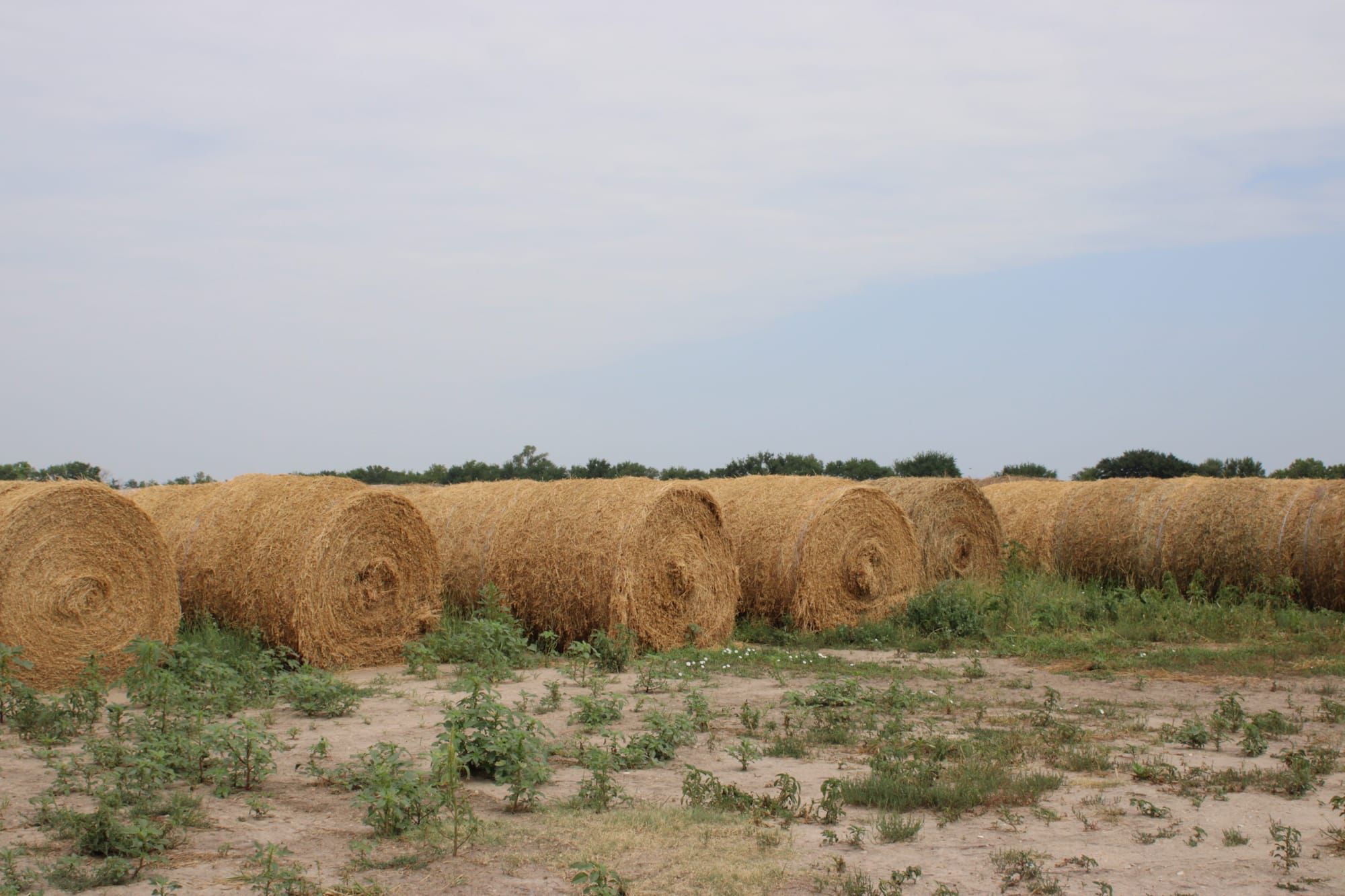
Become a subscriberDrought and heavy rain made for a difficult 2026 wheat harvest for farmers throughout Kansas, including those in McPherson County.
According to the Kansas drought map, McPherson County has been in a moderate drought since the spring of 2026. Equipment issues and unpredictable weather also played a major role in this year's harvest.
“It’s really been kind of dry since winter,” Kendra Selzer, who lives on a farm with her parents and helps with harvest near Canton, KS, said.
Fields were dry during the winter of 2025 because of drought conditions, but summer rains and hail later affected the wheat crop, according to Mid Kansas Cooperative. The unexpected rain increased humidity and made harvest more difficult in 2026.
Farmers had to stay on top of equipment maintenance to keep harvest moving, checking oil, fluids, and machinery every day. Even so, breakdowns still happened.
“Every day I don’t know what’s going to break down. There’s always something to fix,” Steven Selzer, a farmer near Canton, KS, said.
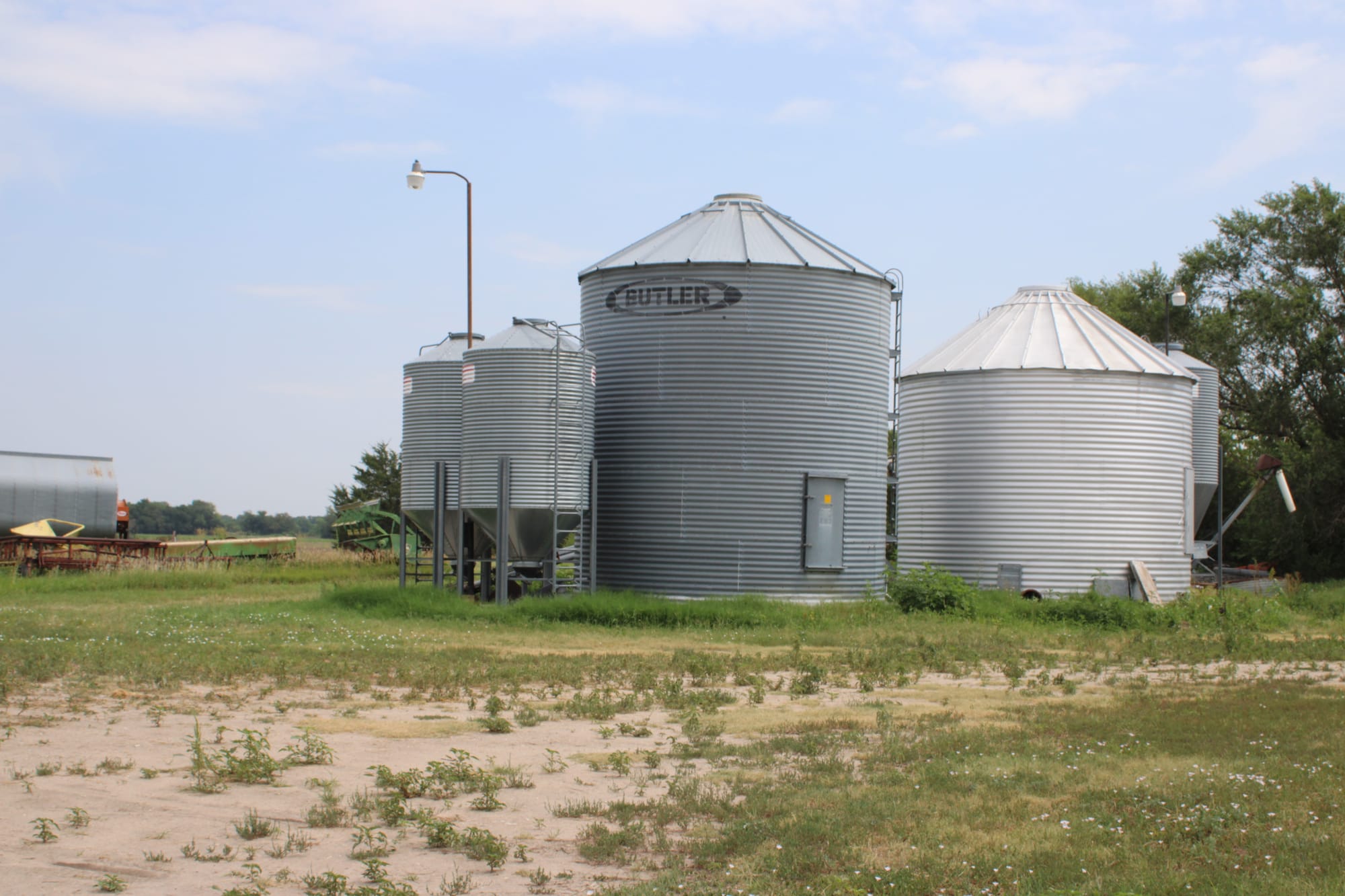
Farming can be a dangerous occupation, and severe weather creates additional challenges. Hailstorms this year damaged crops and affected what farmers were able to harvest.
“We’ve had fires in combines before, and the fire department came out several times,” Lajane Anderson, a farmer’s wife who helps her husband, Frank Anderson, with harvest near Galva, KS, said.
Lajane helps gather the harvest and maintain the farm alongside her husband and son.
Different farmers can have very different outcomes depending on weather, soil conditions, and hail damage.
“We average about 30 bushels per acre this year for wheat,” Steven Selzer said.
Location also made a difference this year. The Selzer farm near Canton had a better wheat harvest than the Anderson farm near Galva. Western Kansas experienced more severe drought than central Kansas, but changing weather affected farmers across the state.
The dry winters of 2025 and 2026 stressed wheat fields, while heavy summer rains delayed harvest. Kansas wheat production is projected at 218 million bushels, a 37 percent decrease from 2025's 346.8 million bushels, according to Mid Kansas Cooperative.
“This year was a poor harvest and very different compared to other years. We only got a third of what we usually get, 20 compared to 60 bushels per acre for wheat,” Anderson said.
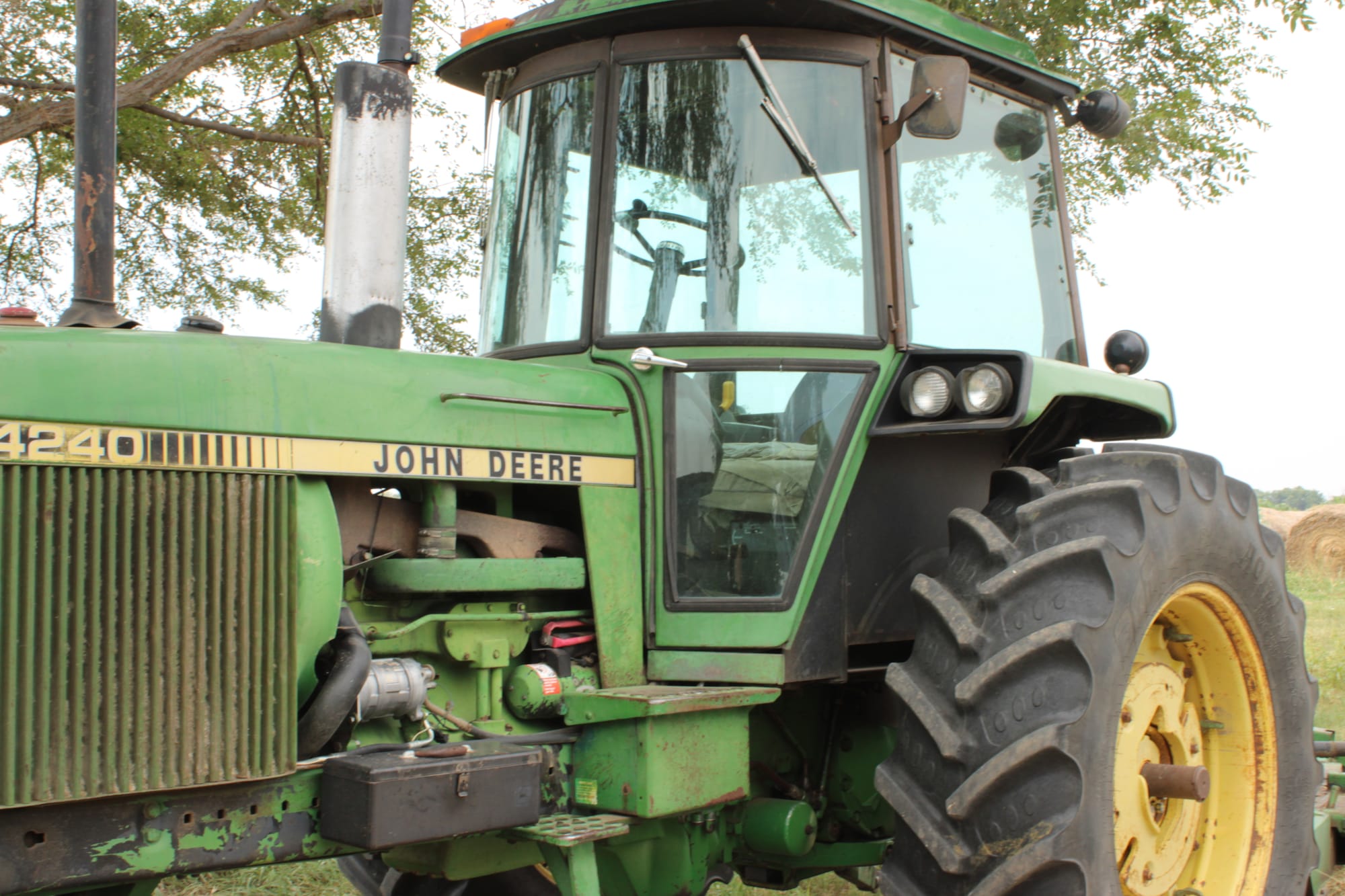
The 2026 Kansas wheat harvest experienced a significant decline compared to 2025 because of prolonged winter dryness, freeze damage, and unharvested fields throughout the Great Plains, according to Mid Kansas Cooperative. Average wheat yields were 37 to 38.9 bushels per acre, down from 51 bushels per acre last year.
Harvest timing depends on the weather and how much rain has fallen.
“We finished wheat harvest at the beginning of July, later than usual because of the rain,” Anderson said.
Drought also affects soil quality and what farmers plant in the fall. Dry soil absorbs less water and experiences changes in microbes, making it harder for future crops to grow. As a result, many producers "dust in" their crops by planting at normal depths and hoping for future moisture rather than planting deeper into dry soil.
“We planted milo instead of soy because they’re more drought-resistant,” Debra Selzer, part of the farming family near Canton, KS, said.
Harvest can vary widely depending on whether winters are too dry or summers bring unexpected rain. Kansas farmers prepare for all kinds of conditions, but this year weather and other factors varied significantly across the heartland.
Harvest numbers were down from last year, according to Mid Kansas Cooperative, though some parts of Kansas fared better than others.
Brought to you by:
Found a mistake? Have a news tip or feedback to share? Contact our newsroom using the button below: