Kansas daily brief
Kansas news for busy people - Mar 11, 2026 edition


🌾 Kansas
-
The Kansas House voted 84-39 Tuesday to ban students from using cellphones during the school day and prohibit school employees from using social media to communicate with students, sending the bill to the governor. →
-
The Kansas Senate passed a bill Tuesday requiring daily recess for students in kindergarten through fifth grade after the measure initially failed, then passed 24-15 on reconsideration. →
-
Governor Laura Kelly opened KDOT's new $24 million District One headquarters in Topeka Wednesday, a 73,000-square-foot facility replacing a 1936 building that serves 17 northeast Kansas counties. →
-
The Leavenworth city commission voted 4-1 to grant CoreCivic a special use permit to hold federal immigration detainees in its dormant 1,000-bed facility on behalf of the U.S. Department of Homeland Security. →
-
Kansas agricultural land values have reached a plateau at about $3,100 per acre as of August 2025 after years of rapid growth, with economists predicting further softening. →
🇺🇸 US
-
Iran placed mines in the Strait of Hormuz, prompting U.S. strikes on 16 Iranian mine-laying vessels and sending oil prices swinging as much as 36%. The IEA has proposed a record 400 million barrel strategic reserve release. →
-
Iranian missiles and drones have struck at least 11 U.S. military bases across the Middle East while Israel's Lebanon offensive has displaced nearly 700,000 people and killed nearly 600. →
-
President Trump and Israeli Prime Minister Benjamin Netanyahu have clashed over when to end the Iran war, with White House officials concerned Israel intends to continue fighting beyond when the U.S. wants to stop. →
-
The Senate voted 89-9 to advance a bipartisan housing bill aimed at streamlining construction and limiting institutional investors. →
-
The Nuclear Regulatory Commission approved a construction permit for TerraPower's Natrium reactor in Wyoming, the first commercial nuclear permit in nearly a decade and the first for a non-light-water design in more than 40 years. →
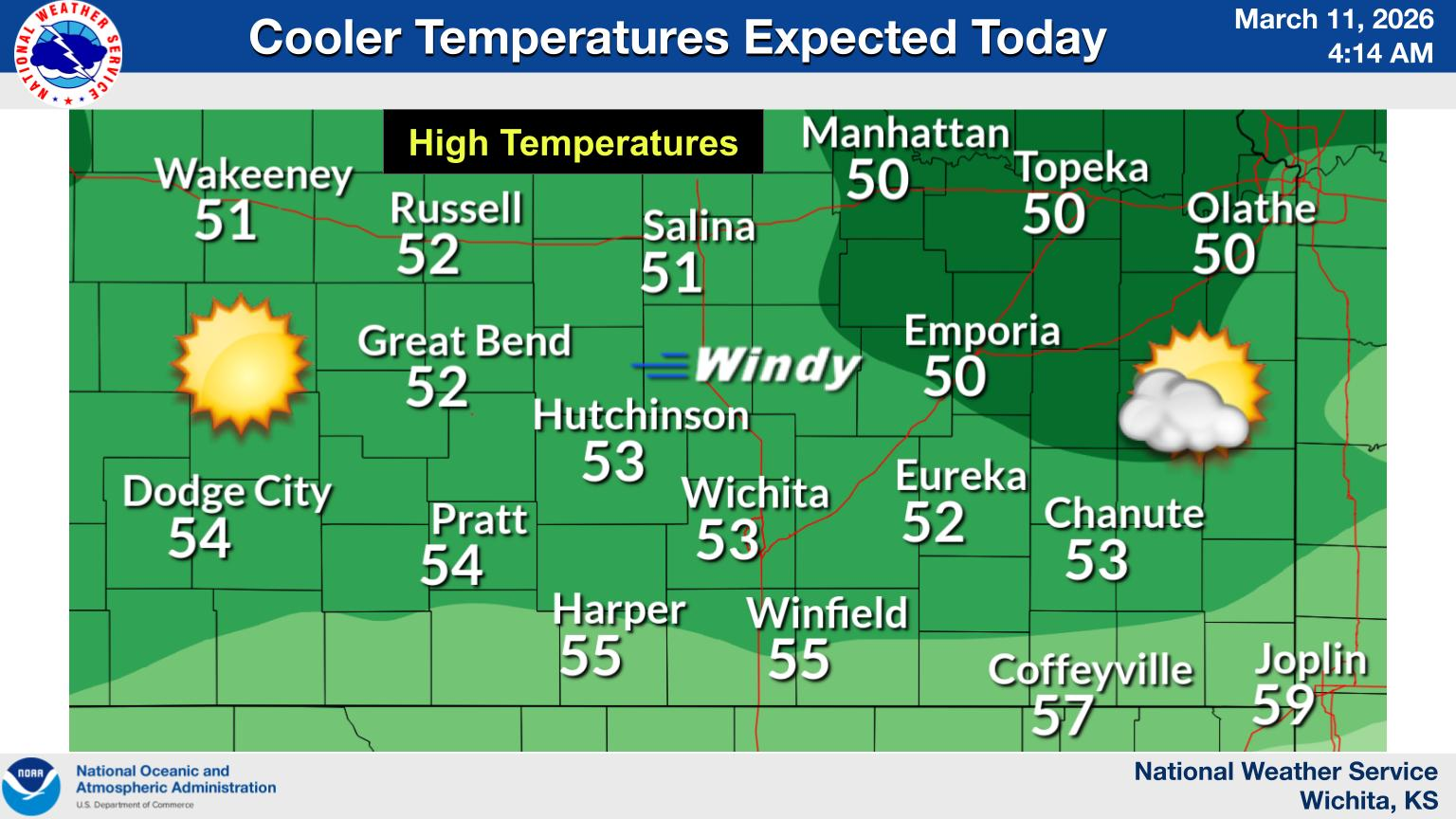
Weather
March 11 2011: Fukushima nuclear disaster
The Fukushima Daiichi nuclear disaster was triggered when a massive earthquake and tsunami led to the failure of backup power and cooling systems at three reactors, causing partial meltdowns and explosions that released radiation. Over 100,000 people were evacuated, a large exclusion zone remains, and the event is considered the second-worst nuclear accident in history after Chernobyl.
Found a mistake? Have a news tip or feedback to share? Contact our newsroom using the button below:
