Senate cellphone ban heads to House floor, setting up fight over mandate vs. recommendation
Senate passed SB 281 with bipartisan supermajority; House committee stripped enforcement before sending it on

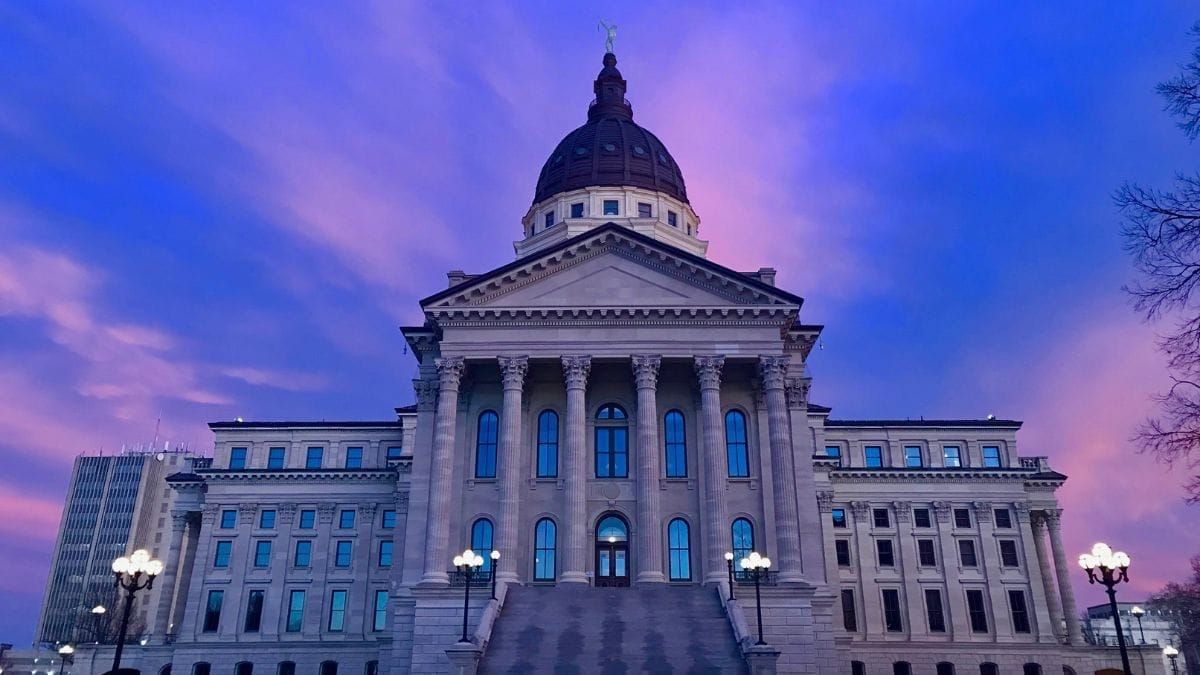
TOPEKA — The Kansas Senate passed SB 281, a bipartisan bill banning cellphones in all public and accredited nonpublic schools, with the backing of 28 senators — more than two-thirds of the chamber. Senate Majority Leader Chase Blasi, R-Andale, and Senate Minority Leader Dinah Sykes, D-Lenexa, co-led the effort, which would have required schools to confiscate phones, smartwatches and earbuds from bell to bell starting in the 2026-27 school year. The Senate version also directed elementary schools to report screen-time data to the Kansas State Board of Education. Gov. Laura Kelly endorsed the mandate.
The Kansas House Education Committee, however, gutted the bill last Friday. Rep. Sherri Brantley, R-Hoisington, successfully amended the bill's key verb from "shall" to "may," converting the statewide mandate into a recommendation. Brantley acted after the committee rejected her earlier amendment to exempt private schools entirely. The committee also stripped the Senate's screen-time reporting requirement and added a new provision barring school employees from communicating with students via social media for official school purposes. On Thursday, the committee formally recommended its substitute — recorded in the House journal as "House Substitute for Substitute for Senate Bill No. 281" — sending the weakened version to the full House.
The substitute now awaits debate and a floor vote in the House. If the House passes it, the bill returns to the Senate, where members must decide whether to concur with the House changes or reject them and request a conference committee. Given the Senate's supermajority support for a mandate, a conference committee fight over "shall" versus "may" appears likely. The political dynamic is unusual: the Senate's Republican and Democratic leaders united behind the ban, while House Republicans — who typically champion parental-rights messaging — sided with local-control arguments to weaken it. Rep. Linda Featherston, D-Leavenworth, supported the committee's changes, calling them "a return of local control." Ban advocates counter that the State Board of Education already sent a similar recommendation to districts in 2024 with limited effect, and that a "may" bill changes nothing.
Found a mistake? Have a news tip or feedback to share? Contact our newsroom using the button below:
Brought to you by (click me!)
