New bill seeks separate accountability report cards for virtual schools
A Senate bill would require the state to create a distinct academic report card for virtual schools, responding to the growth of online education and concerns about its effectiveness.

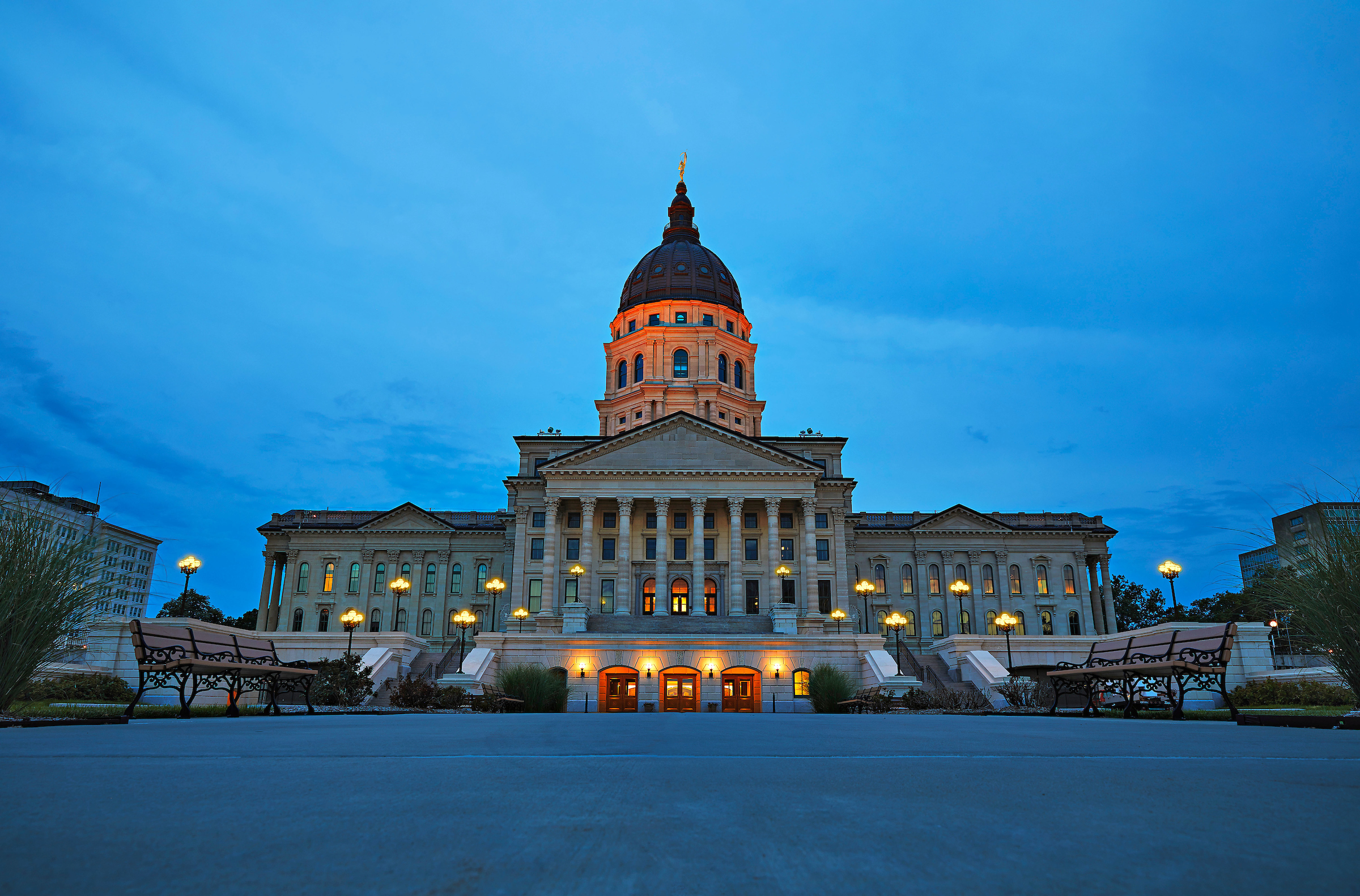
TOPEKA, Kan. — The Kansas State Department of Education would be required to publish a separate Kansas building report card for virtual schools under SB 529, a bill introduced in the Senate. The proposal aims to provide parents and policymakers with a clearer picture of how online-only schools perform compared to traditional, brick-and-mortar counterparts.
Currently, the performance data for many virtual students is blended with that of the sponsoring physical school district, which critics say can mask poor outcomes in online programs. The bill would mandate a separate annual report card, allowing for a direct comparison of metrics such as graduation rates, state assessment scores and student participation between virtual and traditional schools.
Full-time virtual school enrollment in Kansas grew 74% between 2020 and 2023-24, from 5,658 to 9,857 full-time equivalent students, according to Kansas Association of School Boards data drawn from KSDE budget reports. If all virtual students were counted as a single district, the program would rank among the state's eight largest. Nationally, full-time virtual enrollment doubled during the pandemic from roughly 294,000 to 590,000 students, and NCES data shows 2.5% of all K-12 students remained enrolled in full-time virtual education by 2022-23, up from pre-pandemic levels.
The push for greater accountability comes as virtual education has expanded significantly, a trend accelerated by the COVID-19 pandemic. Lawmakers and education officials have expressed growing interest in ensuring that students in online programs receive a quality education and that taxpayer funds supporting these schools are used effectively.
The measure is likely to draw support from advocates for traditional public schools and those seeking more transparency in education funding and outcomes. It could, however, face opposition from operators of virtual schools, who may argue that their student populations have unique challenges and that a direct comparison with traditional schools is unfair.
Found a mistake? Have a news tip or feedback to share? Contact our newsroom using the button below: