Kansas Senate bill would ban new data centers in drought-stricken counties
SB 531 targets large-load facilities whose cooling systems consume vast amounts of water, citing threats to agriculture and the Ogallala Aquifer.

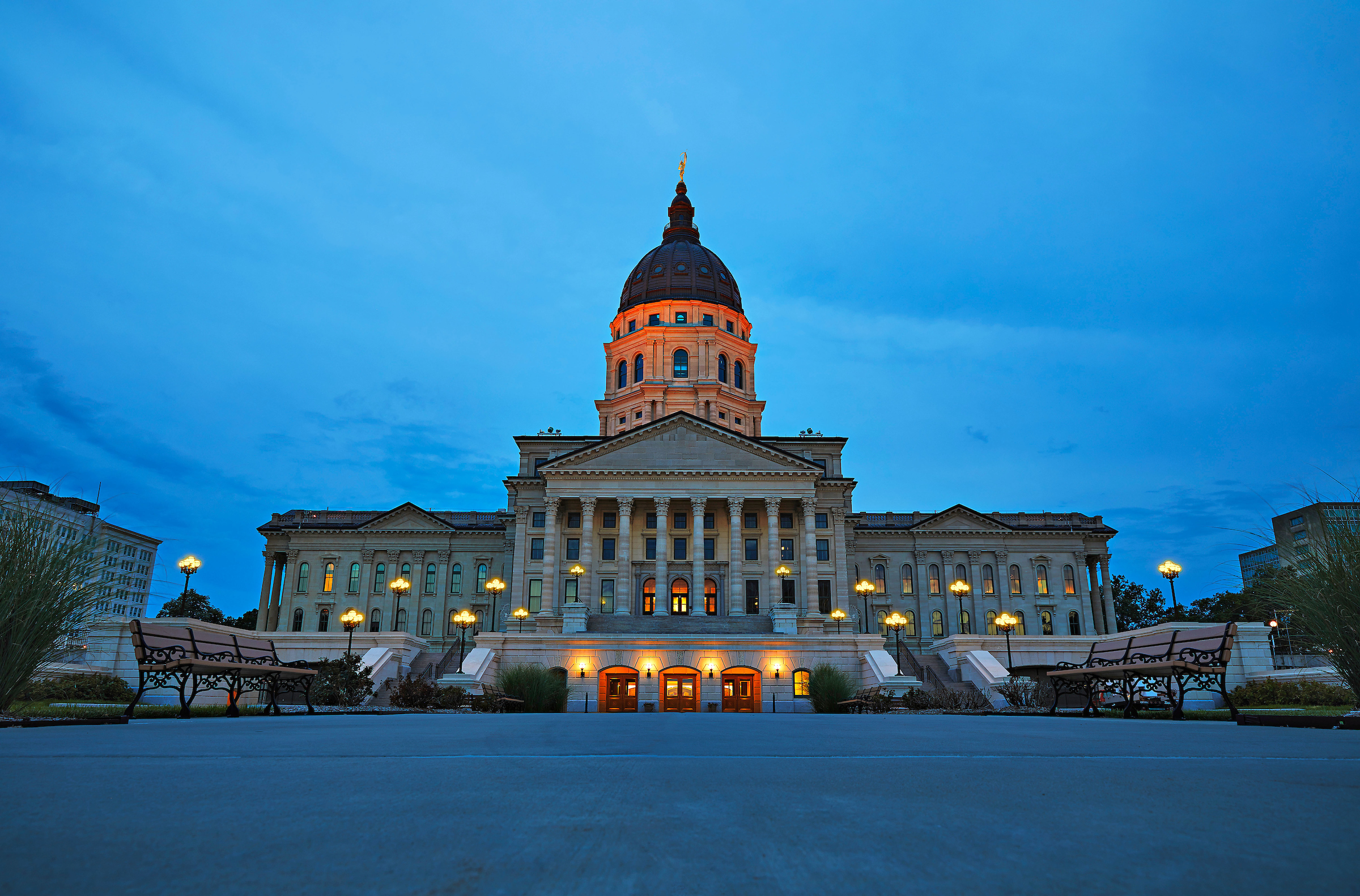
TOPEKA, Kan. — A bill introduced in the Kansas Senate seeks to pump the brakes on the construction of massive data centers, citing concerns over their water and energy consumption. SB 531 would prohibit the development or operation of new large-load data centers in any county where a drought emergency has been declared within the preceding three years under the Kansas Emergency Management Act.
The move reflects growing anxiety in a state where agricultural producers and municipalities alike are grappling with dwindling water resources, particularly from the Ogallala Aquifer.
Data centers, which house the servers that power AI, the internet, and cloud computing, have been courted by states for the high-tech jobs and investment they bring. However, their cooling systems require vast amounts of water, putting them at odds with conservation efforts in arid regions. The proposed prohibition signals a legislative desire to prioritize long-term water sustainability over unchecked technological growth, a position that may find support in rural, agriculture-heavy districts.
The bill's introduction comes as the Legislature shows broader interest in water management. The Senate unanimously passed HB 2477, which requires the Kansas Department of Agriculture to publish an online map showing the location of all applied-for water diversions, including requested changes in the point of diversion by more than 300 feet, and expands individual notice requirements to landowners within half a mile of such applications. The 39-0 vote on that measure suggests strong, bipartisan consensus that greater transparency and oversight of the state's water resources are needed.
The debate over SB 531 will likely force a difficult conversation about Kansas' economic future. Proponents argue it is a necessary, proactive step to protect the state's agricultural backbone and water supply, while opponents from business and economic development groups may warn it could stifle innovation and deter the booming tech sector from investing in the state.
Found a mistake? Have a news tip or feedback to share? Contact our newsroom using the button below: