Kansas lawmakers mount broad offensive on online child safety as parents describe sons' suicides after sextortion
Senate omnibus targets tech design, deepfakes and chatbots; House panels hear wrenching testimony on sexual extortion of teens

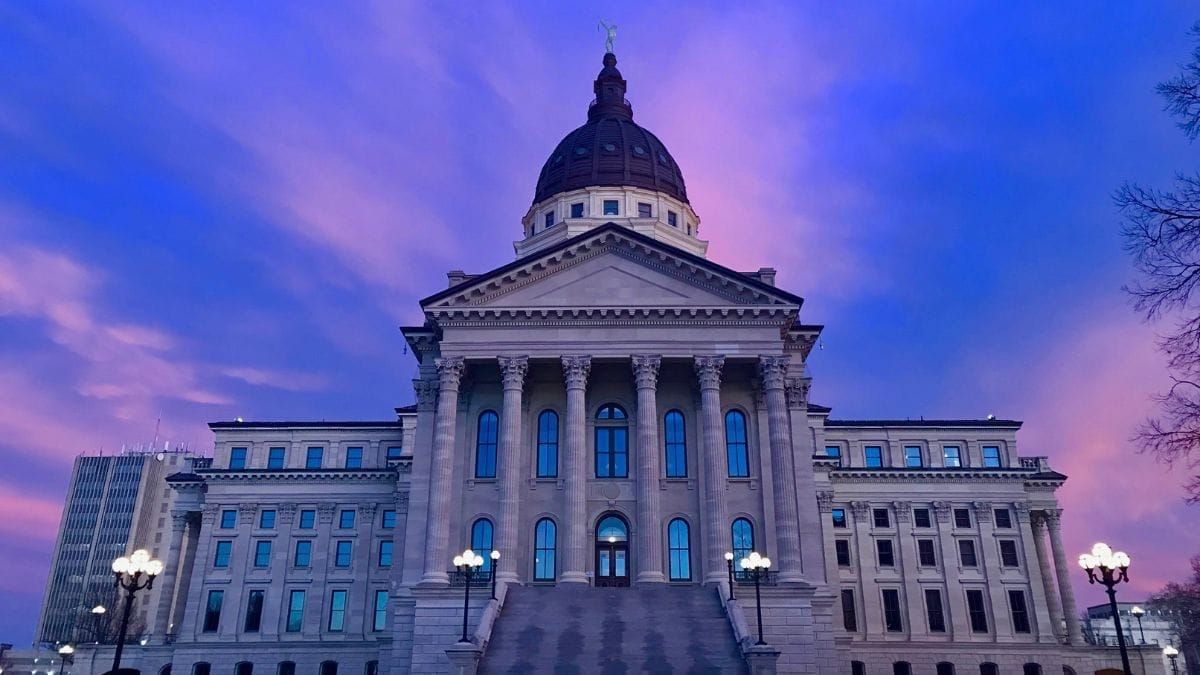
TOPEKA, Kan. — Kansas legislators advanced a widening set of measures to protect children online this week, pairing a sweeping Senate technology bill with House efforts to crack down on sexual extortion after three parents testified that their teenage sons died by suicide when scammers targeted them with sextortion schemes.
The Senate on Monday introduced SB 499, an omnibus bill that bundles the Kansas Age-Appropriate Design Code Act, the Kansas Stopping Digital Likeness Abuse Act and the Kansas Saving Human Connection Act. It would require businesses to assess and mitigate risks of compulsive use in digital products aimed at minors, set privacy settings to the highest level by default, create a private right of action for nonconsensual digital likeness abuse and impose liability on chatbot providers for injuries caused by their products. The attorney general would enforce compliance. The bill was referred to the Committee on Federal and State Affairs. The legislation mirrors California's Age-Appropriate Design Code Act signed in 2022, though the chatbot liability provisions go further than most existing state proposals and could face First Amendment and Section 230 challenges.
Days earlier, the House Judiciary Committee heard testimony on HB 2537, which would increase penalties for sexual extortion when an adult targets a child and require the state to provide educational materials warning Kansans about the crime. Morgan Moore of El Dorado told the committee her 14-year-old son, Caleb, died by suicide in June after Nigerian scammers demanded a $50 Apple gift card in exchange for not releasing sexually explicit images. There were 35 minutes between the first threat and Caleb's death. "It gains power through silence, speed, and isolation," Moore said. "It convinces a child that there is no survivable outcome." Brandon Guffey, a state legislator from Rock Hill, South Carolina, testified that his son Gavin died in 2022 after a similar scheme and said the number of under-18 victims has increased rapidly, especially with the rise of artificial intelligence that can generate realistic explicit images from a child's photo. Brad Boettler of Aurora, Missouri, said his son Evan died after sextortion in 2024, the Kansas Reflector reported.
The committee also heard testimony on HB 2594, requested by Smith County Attorney Tabitha Owen, which would close a loophole in the breach of privacy statute. Current law defines blackmail as threatening to release media obtained by a breach of privacy, but the statute has an age floor of 18 — meaning threats to disseminate sexually explicit images of minors may not constitute blackmail under Kansas law. The bill would also cover AI-generated images. There were no opponents to either bill. The bipartisan support for all three measures reflects rare consensus in a Legislature that has struggled to find common ground this session; protecting children online has emerged as one of the few issues that unites both parties and both chambers.
Found a mistake? Have a news tip or feedback to share? Contact our newsroom using the button below:
Brought to you by (click me!)
