Kansas daily brief
Kansas news for busy people - Apr 8, 2026 edition

🌾 Kansas
-
Gov. Laura Kelly on Tuesday signed two bipartisan bills aimed at easing Kansas's housing shortage by cutting municipal red tape and streamlining residential development through mandated permit approvals and modified accessibility standards. →
-
Union leader Kevin King won the Independence mayoral race Tuesday with just over 60 percent of the vote, defeating Councilwoman Dr. Bridget McCandless in an election dominated by debate over a massive Nebius AI data center and its roughly $6 billion in tax abatements. →
-
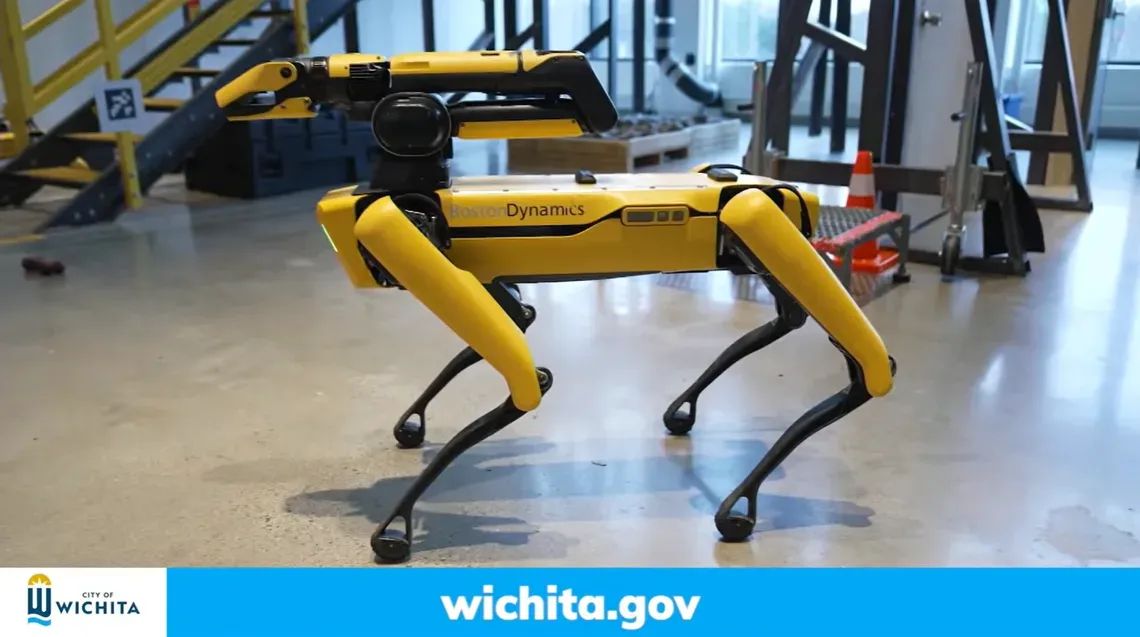
The Wichita City Council voted 4-3 on Tuesday to purchase a Boston Dynamics "Spot" robotic dog for the police department at a cost of $340,000 for de-escalation and hazardous situation response. →
-
Andover Central High School's "JagWire Robotics" team won the FIRST Robotics Competition City of Fountains Regional held April 1-4 in Kansas City, positioning the team for a potential invitation to the world championship in Houston. →
-
Kansas City metro voters approved nearly $200 million in school bonds and levy measures in Tuesday's municipal elections. →
🇺🇸 US
-
The United States and Iran announced a two-week cease-fire and plans to fully reopen the Strait of Hormuz, with the Pakistan-brokered agreement coming hours before President Trump had threatened Iran's destruction. →
-
Oil prices plunged 13-15 percent and global stocks surged as investors cheered the cease-fire agreement, though crude benchmarks remain 30-40 percent above pre-war levels. →
-
A new Quinnipiac poll finds 55 percent of Americans now believe artificial intelligence will do more harm than good, an 11-point jump from a year ago and the first majority. →
-
The Trump administration has rebuffed Ford's request for aluminum tariff relief after fires at a major New York plant created supply bottlenecks for the F-150 pickup. →
-
Weekly rail carload data shows March volumes excluding coal averaged 171,338 carloads per week, the strongest March since 2008 and highest monthly level since August 2019. →
Weather
April 8 2009: Somali pirates hijack Maersk Alabama ship
Exposing how lightly defended, high-value arteries of global commerce had become vulnerable to unconventional, non-state actors challenging free trade on the open seas. Coming after decades in which U.S. naval dominance underwrote “freedom of the seas,” the standoff and its aftermath marked an early crack in the post–World War II model of frictionless, American-guaranteed globalization, foreshadowing a more contested and securitized era of maritime trade.
Found a mistake? Have a news tip or feedback to share? Contact our newsroom using the button below:
