Kansas daily brief
Kansas news for busy people - Mar 25, 2026 edition

🌾 Kansas
-
The Kansas legislature sent more than a dozen bills to Governor Kelly's desk following marathon conference committee negotiations. →
-
The Kansas Senate passed Senate Bill 254 on a 22-18 vote to bar undocumented immigrants from receiving state or local public benefits, with opposition from Democrats and some moderate Republicans concerned about administrative burdens. →
-
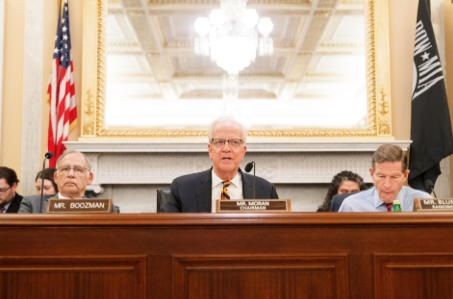
U.S. Sen. Jerry Moran, R-Kan., and Sen. Michael Bennet, D-Colo., introduced bipartisan legislation to provide zero-interest loans for rural hospital construction and renovation through the USDA's Community Facilities Direct Loan Program. →
-
The Kansas House voted 119-3 to create a program offering stipends and loan forgiveness to law students and attorneys who agree to practice in rural Kansas communities facing attorney shortages. →
-
Wichita State fell 83-79 to Tulsa in the NIT quarterfinals, ending the Shockers' season after making just two of 19 three-point attempts. →
🇺🇸 US
-
Brent crude fell 4.7% to below $100 a barrel as Turkey, Egypt and Pakistan push for U.S.-Iran talks by Thursday, though the two sides remain far apart on core demands. →
-
The Pentagon has ordered about 2,000 soldiers from the 82nd Airborne Division to deploy to the Middle East, adding to nearly 7,000 additional ground troops dispatched since the conflict began. →
-
The NTSB says the fire truck that struck an Air Canada jet at LaGuardia Airport lacked a transponder and only two controllers were on duty handling roles normally split among more staff. →
-
The unemployment rate for college graduates ages 22 to 27 climbed to 5.6% at the end of last year, exceeding the overall national rate of 4.2%. →
-
AI companies have pledged roughly $265 million for super PACs ahead of the 2026 midterm elections, with the first major test case in a Manhattan congressional primary. →
Weather

March 25 1957: Europe’s Common Market founded in major step toward economic unity
Europe’s Common Market, created in 1957 by six Western European states to remove internal trade barriers and coordinate key economic policies, gradually deepened and expanded into today’s European Union, with a single market, shared institutions and, for many members, a common currency. On a purchasing-power-parity (PPP) basis, the EU’s economic output is still somewhat smaller than that of the United States and China, but all three remain broadly comparable in overall scale, making them peer continental markets that dominate global economic weight.
Found a mistake? Have a news tip or feedback to share? Contact our newsroom using the button below:
