Kansas Counties Delay Action on Data Centers, Renewable Energy Projects
Local governing bodies pause or reject proposals amid competing concerns over resources, safety and economic development

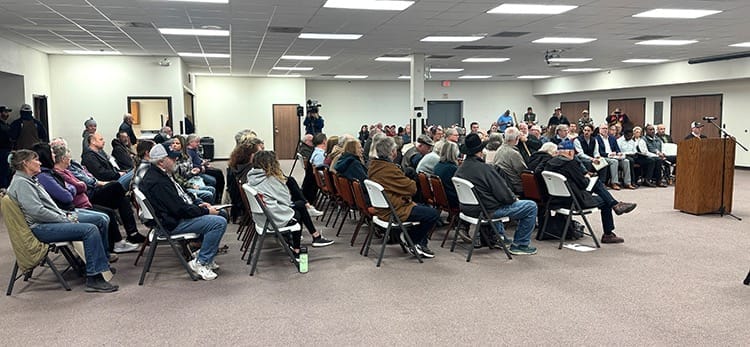
TOPEKA, Kan. — A growing number of Kansas counties are delaying or rejecting data center, solar and battery storage projects, reflecting broader tensions between energy infrastructure development and local concerns about resources and safety. In Harvey County, commissioners unanimously approved a moratorium on data centers through 2028, while Shawnee County planning commissioners delayed action on solar regulations to consider public testimony from both sides of the debate.
The Harvey County decision, announced this month, halts data center construction in unincorporated areas while officials draft regulations. Karen Rothe, the county's planning, zoning and environmental director, cited concerns about significant water and electricity consumption, potential noise pollution and limited job creation. In Shawnee County, the planning commission voted unanimously to defer action on proposed solar energy conversion system regulations until February, following extensive public testimony.
The pattern extends beyond these two counties. In Saline County, commissioners voted 4-1 in late 2025 to reject a battery energy storage system proposed for a site near Salina, siding with residents who submitted protest petitions representing more than 3,800 acres of affected property. Sumner County commissioners unanimously rejected NextEra Energy's proposed 300 MW Webb Road Energy Storage facility in December after nearly 100 residents attended a public meeting to oppose the project, citing safety and transparency concerns. A NextEra representative told commissioners the technology is safe and regulated, noting the company operates more than 50 battery storage facilities nationwide. Battery energy storage systems stabilize renewable energy by storing excess power for high-demand periods, but some communities have raised concerns following battery fires at facilities in other states.
The local debates reflect what some researchers have termed "NIMBY"—"Not In My Backyard"—opposition to infrastructure development, though opponents reject that characterization and describe their concerns as substantive. A Columbia University study tracking local renewable energy restrictions found a 111% increase in state-level restrictions and a 16% increase in local restrictions over the past year. A Heatmap poll found 44% of Americans would welcome a data center in their community. Project supporters argue such facilities bring significant economic benefits—NextEra estimated its Sumner County project would generate $23.4 million in county revenue—while opponents contend the risks to water supplies, public safety and community character outweigh those benefits. Kansas counties continue to weigh these competing interests as they develop regulatory frameworks for an evolving energy landscape.
Found a mistake? Have a news tip or feedback to share? Contact our newsroom using the button below:
Brought to you by (click me!)
