A Coup for the Kansas Democrats
The agreement to bring the Chiefs to Kansas is a boon to the beleaguered state party

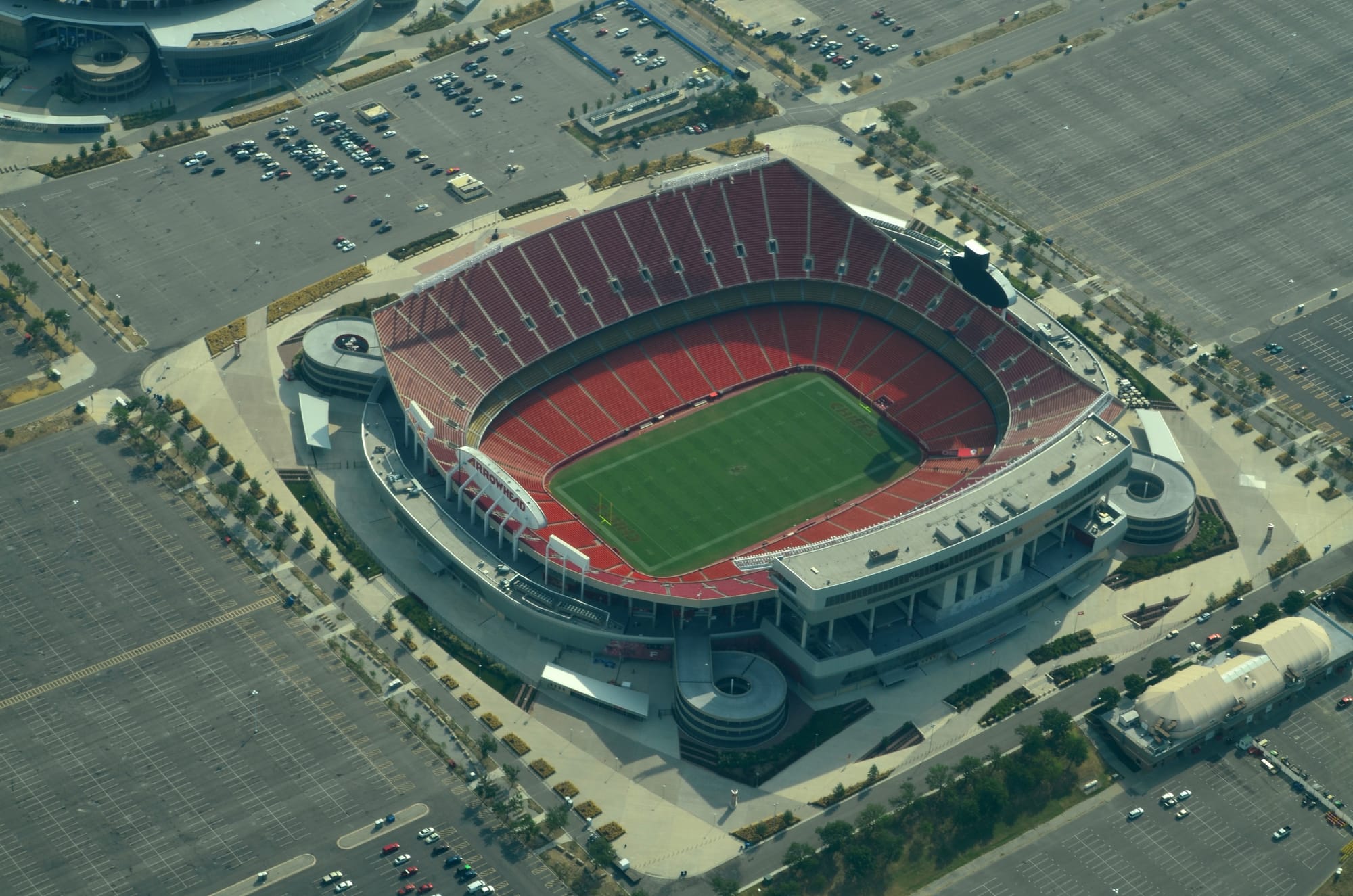
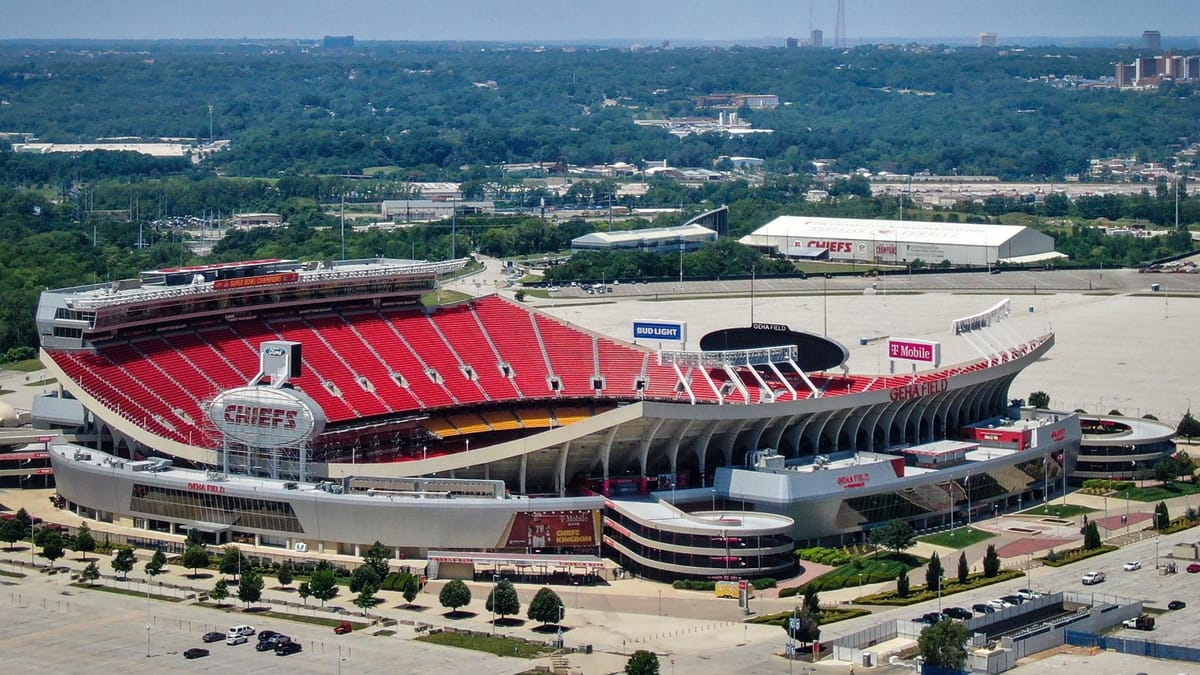
When Governor Laura Kelly and the Kansas City Chiefs announced their historic agreement on Monday, they delivered more than just a new stadium. They handed Kansas Democrats their strongest campaign argument in a generation.
The numbers are impressive. A $3 billion domed stadium in Wyandotte County, opening for the 2031 NFL season. A new Chiefs headquarters and training facility in Olathe. Construction creating over 20,000 jobs and $4.4 billion in economic impact. Once operational, the stadium complex will generate more than $1 billion annually for Kansas.
But the political impact may prove even more consequential.
Kansas Democrats have long occupied an unusual position in state politics—competitive in statewide races, irrelevant in the legislature. Voters have elected Democratic governors in four of the last six elections, even as Republicans have maintained veto-proof supermajorities in both legislative chambers since the 2010s. It's a political peculiarity born from Kansas Republicans' factional split between center-right and hard-right conservatives. In national races, these factions unite—Trump won Kansas by 16 percentage points in 2024. But in state races, they often divide, creating an opening Democrats have skillfully exploited.
Yet winning the governor's mansion while holding just 37 of 125 House seats makes governance difficult. Kelly has spent her two terms playing defense, wielding her veto pen against a Republican legislature that grew even stronger in the 2024 elections. The question facing Kansas Democrats as the 2026 gubernatorial race approaches has been simple: What do we run on besides blocking bad bills?
Now they have an answer.
Lieutenant Governor David Toland, speaking at Monday's press conference, rattled off an economic development record that would be the envy of most governors. Since 2019, Kansas has attracted more than $30 billion in committed capital investment and created or retained nearly 78,000 jobs. The Panasonic electric vehicle battery plant in De Soto represents a $4 billion investment creating up to 4,000 jobs—the largest private investment in state history. The Integra Technologies semiconductor facility in Bel Aire represents a $1.8 billion investment creating nearly 2,000 jobs—the second-largest private investment in state history. Merck Animal Health announced an $895 million expansion in De Soto. Add in expansions by Hilmar Cheese, Schwan's, and dozens of manufacturers, food processors, and logistics operations across the state.
These aren't just statistics. They're paychecks in communities from Dodge City to Salina to Sedgwick County. They're construction workers in Johnson County and manufacturing jobs in rural Kansas. They represent the kind of economic transformation that Kansas has been chasing since Wichita stopped being the “Air Capital”.
The Chiefs give Kansas Democrats something they've desperately needed: a simple, powerful story to tell voters. Economic development under Kelly hasn't just meant retaining existing businesses or attracting modest expansions. It has meant landing game-changing investments that put Kansas in competition with Texas, Tennessee, and other states that have built reputations as business-friendly destinations.
The 2026 gubernatorial race is already taking shape as a crowded affair. At least six Republicans have declared, including Secretary of State Scott Schwab, Senate President Ty Masterson, and former Governor Jeff Colyer. The Republican primary will likely be bruising, expensive, and divisive—exactly the kind of intraparty fight that has historically benefited Democrats in the general election.
Democrats have just three declared candidates so far, and notably, Lieutenant Governor Toland announced in July that he would not seek the office.
The Democrats who do compete for the nomination now have a clear path forward. They can point to construction cranes, ribbon cuttings, and now, the prospect of Chiefs Kingdom relocating to Kansas soil.
This doesn't mean Democrats will flip the legislature. Big Republican majorities will likely remain intact, products of Kansas's political geography and districting. The Republican presidential candidate will almost certainly carry Kansas again in 2028, probably by double digits.
But gubernatorial races operate by different rules. Kansas voters have repeatedly demonstrated their willingness to split their tickets, backing Republican legislative candidates while electing Democratic governors
Laura Kelly, who cannot seek a third term, has now handed Kansas Democrats a powerful campaign argument. The Chiefs deal, combined with six years of economic wins, gives them the strongest hand they've held in decades. For a political party accustomed to playing defense, that's something close to a coup.
 Greg Loving